Chipped by Intention: Unlocking the Mechanics of Neanderthal Flint
It is easy to look at a raw piece of flint and see ******* more than a random stone shaped by nature. However, certain stones carry a permanent, physical record of the exact moment they were altered by a human ancestor. While natural forces like frost or glacial pressure can shatter stone randomly, Neanderthals masterfully exploited the unique physics of flint to shape intentional, reliable tools. Nature simply doesn’t do this.
For lithic analysts, verifying whether a stone is human-made relies entirely on identifying a specific diagnostic anatomy left behind by the toolmaker.
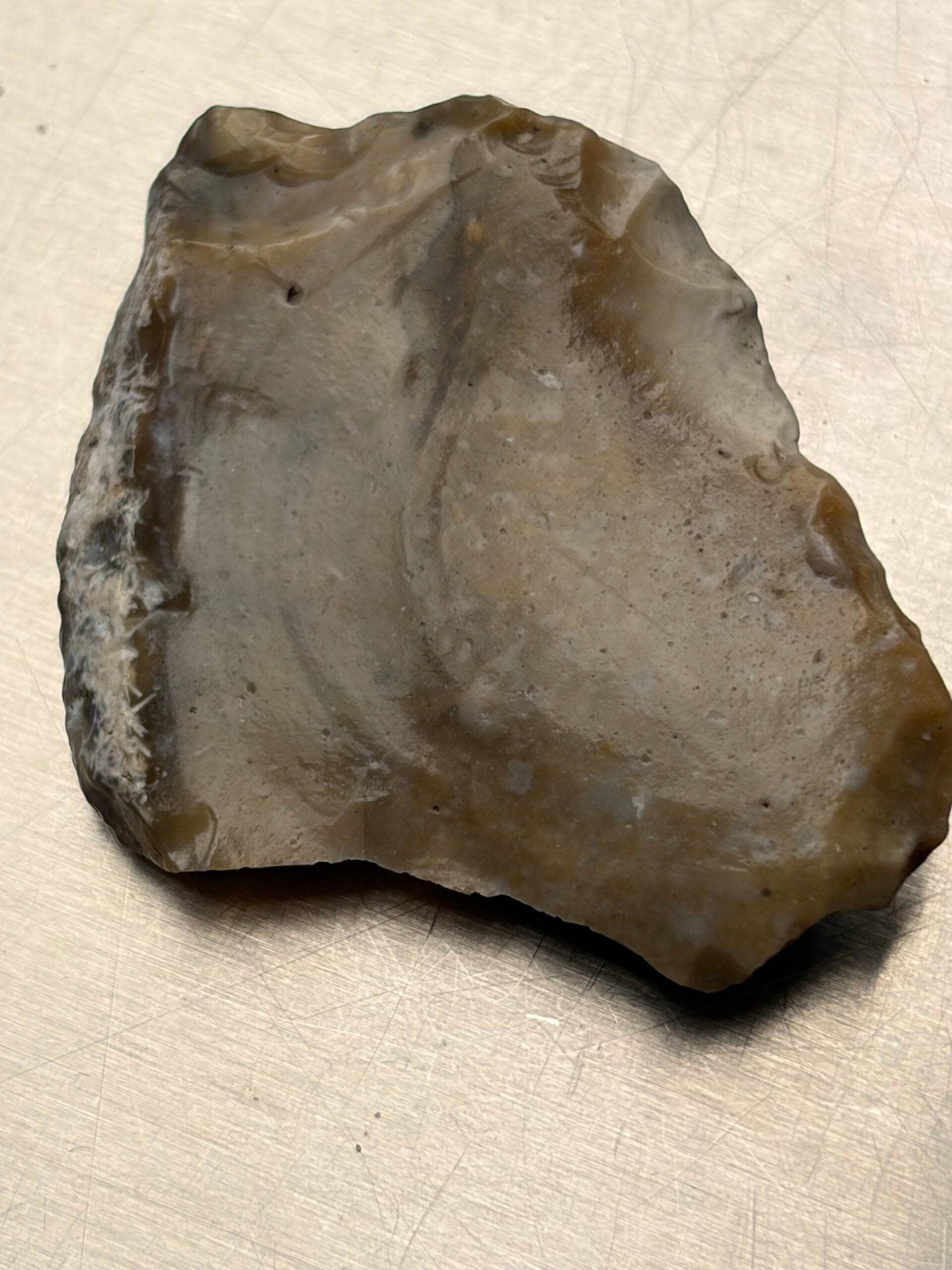
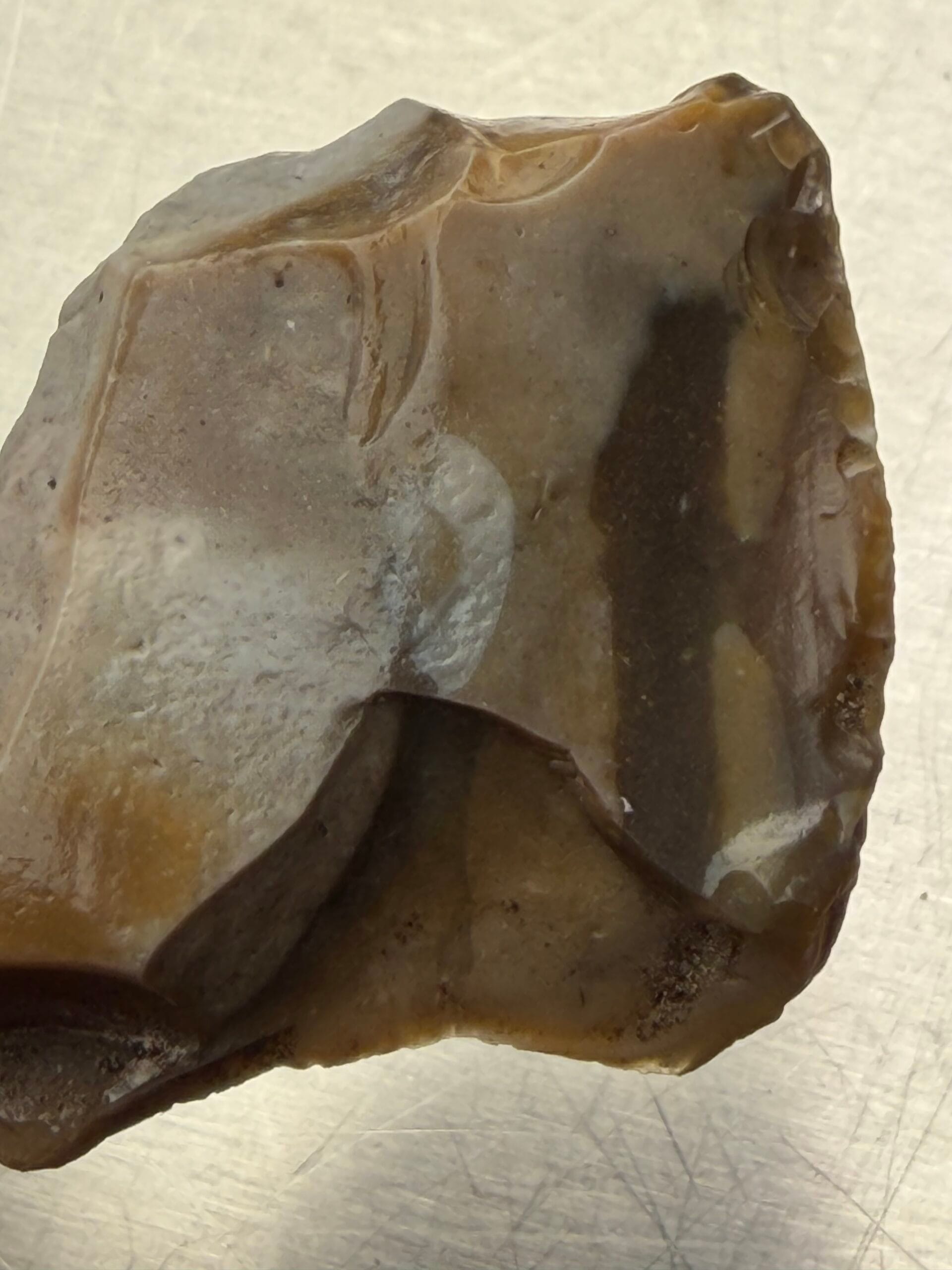
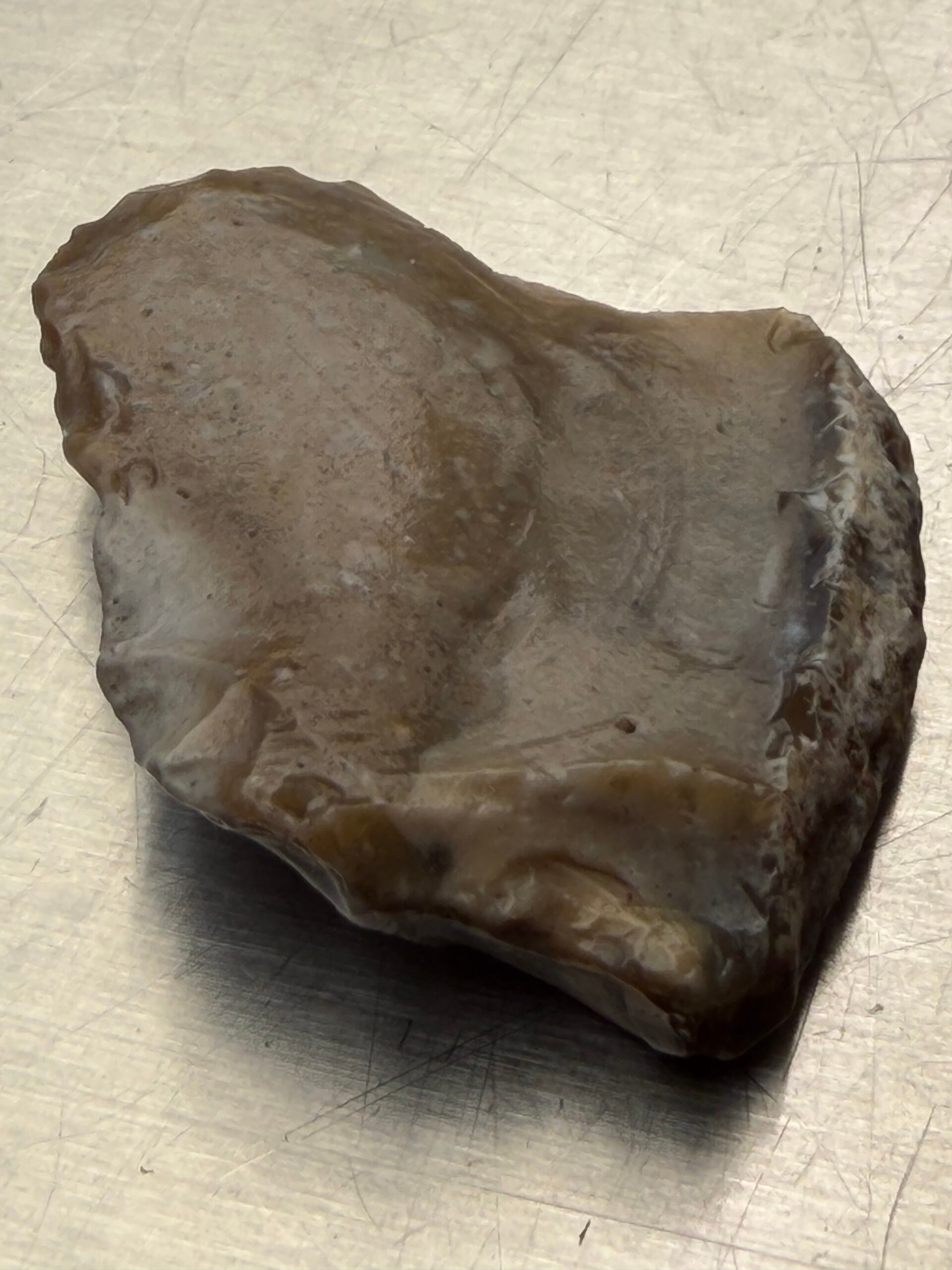
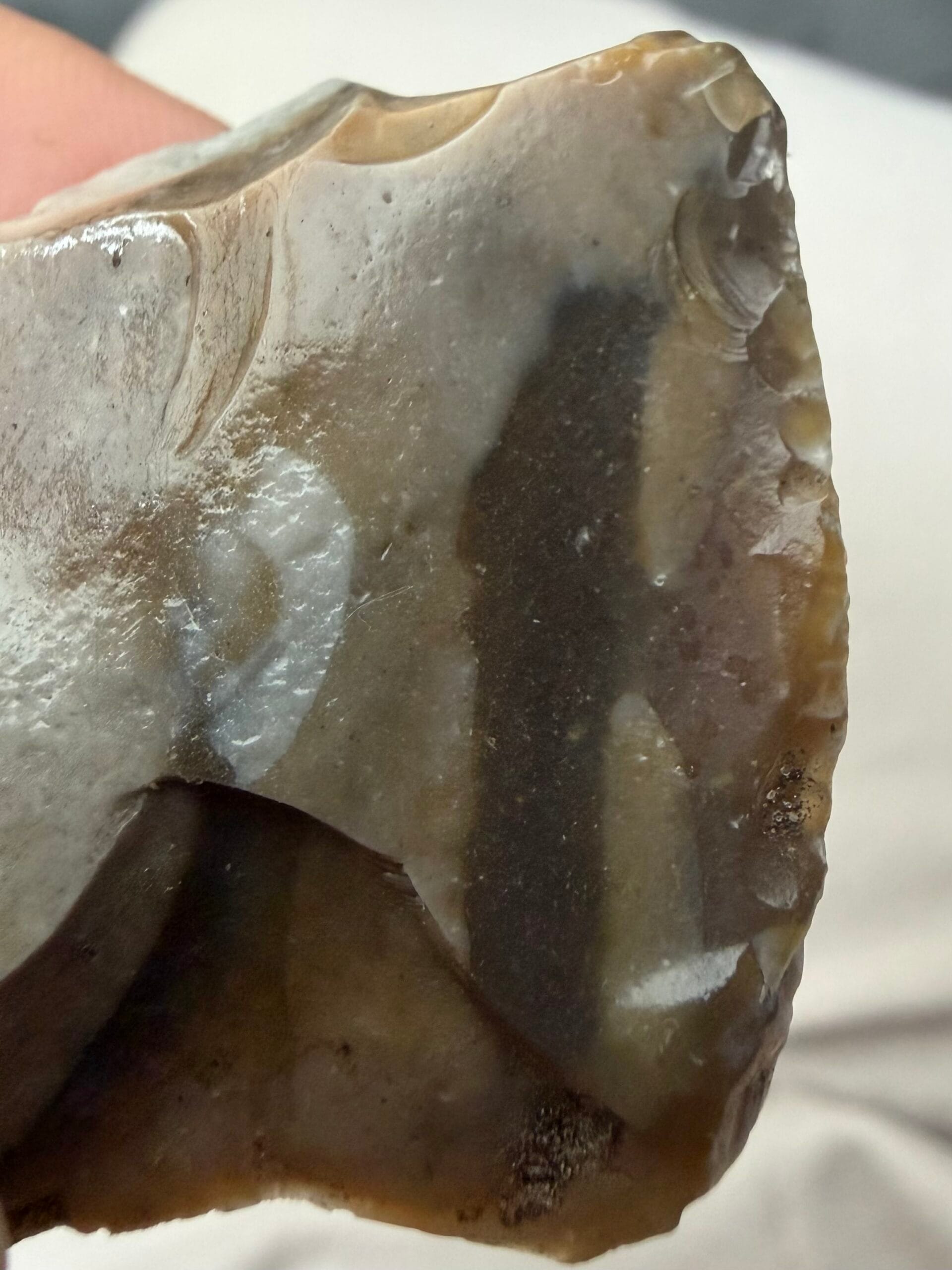
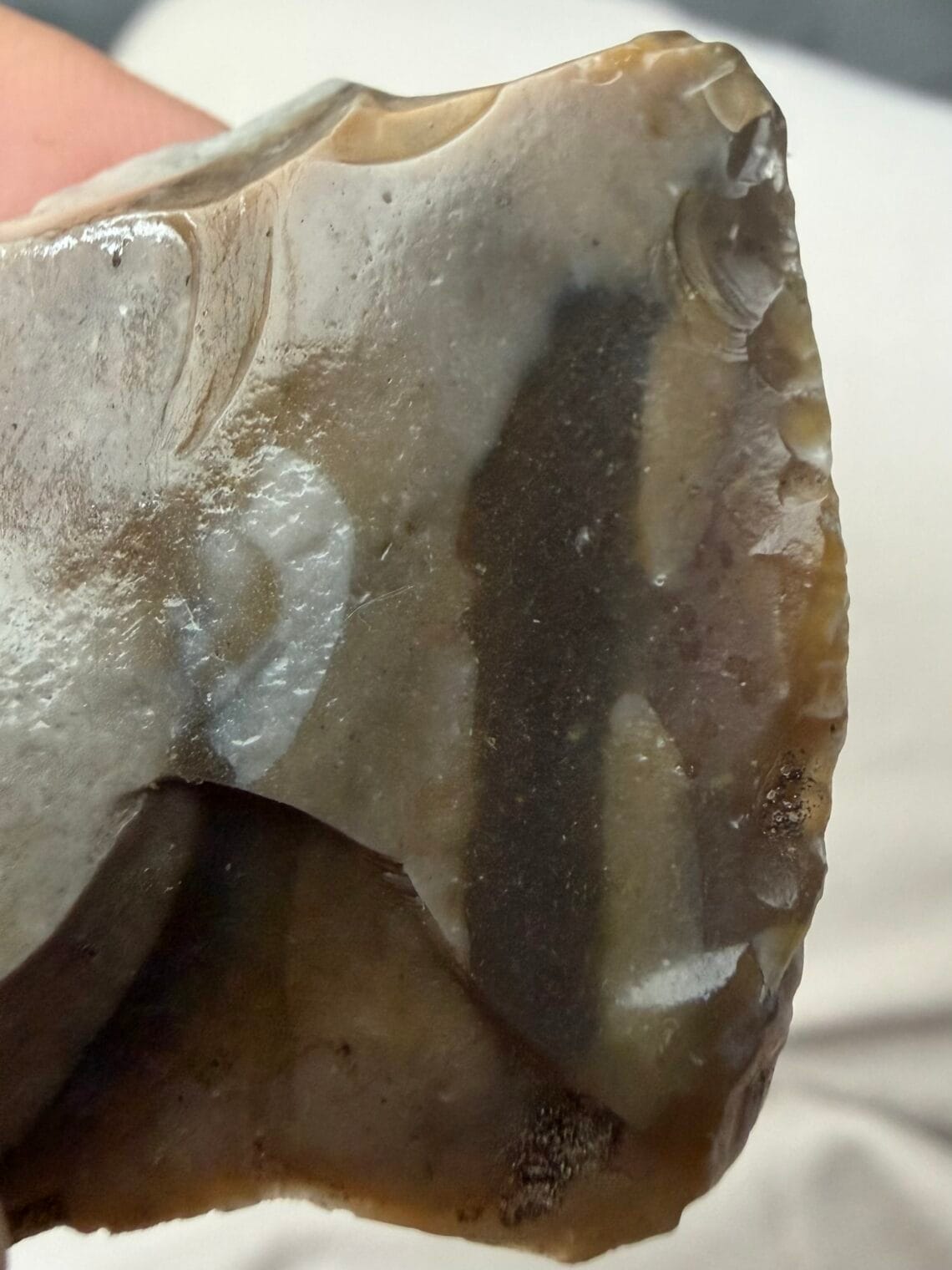
The first major clue is the bulb of percussion. On the flat, smooth underside of a struck flake, you will find a distinct, bulbous swelling located directly beneath the area where the stone was struck. This forms because the high-velocity, targeted impact of a hammerstone compresses the flint, creating a shockwave that bulges outward before shearing the flake away. Nature cannot isolate physical force this precisely, making a prominent bulb a clear signature of intent.
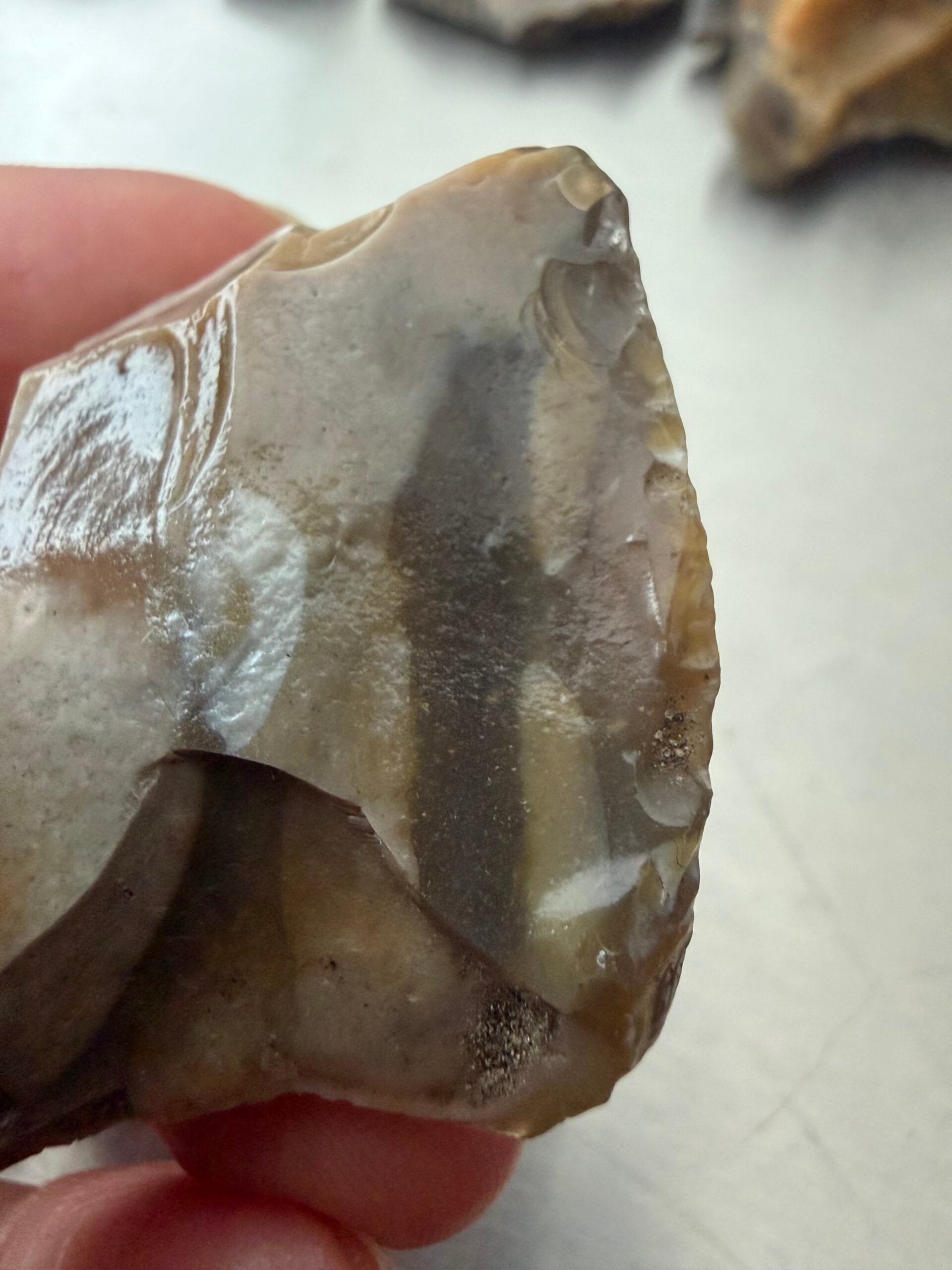
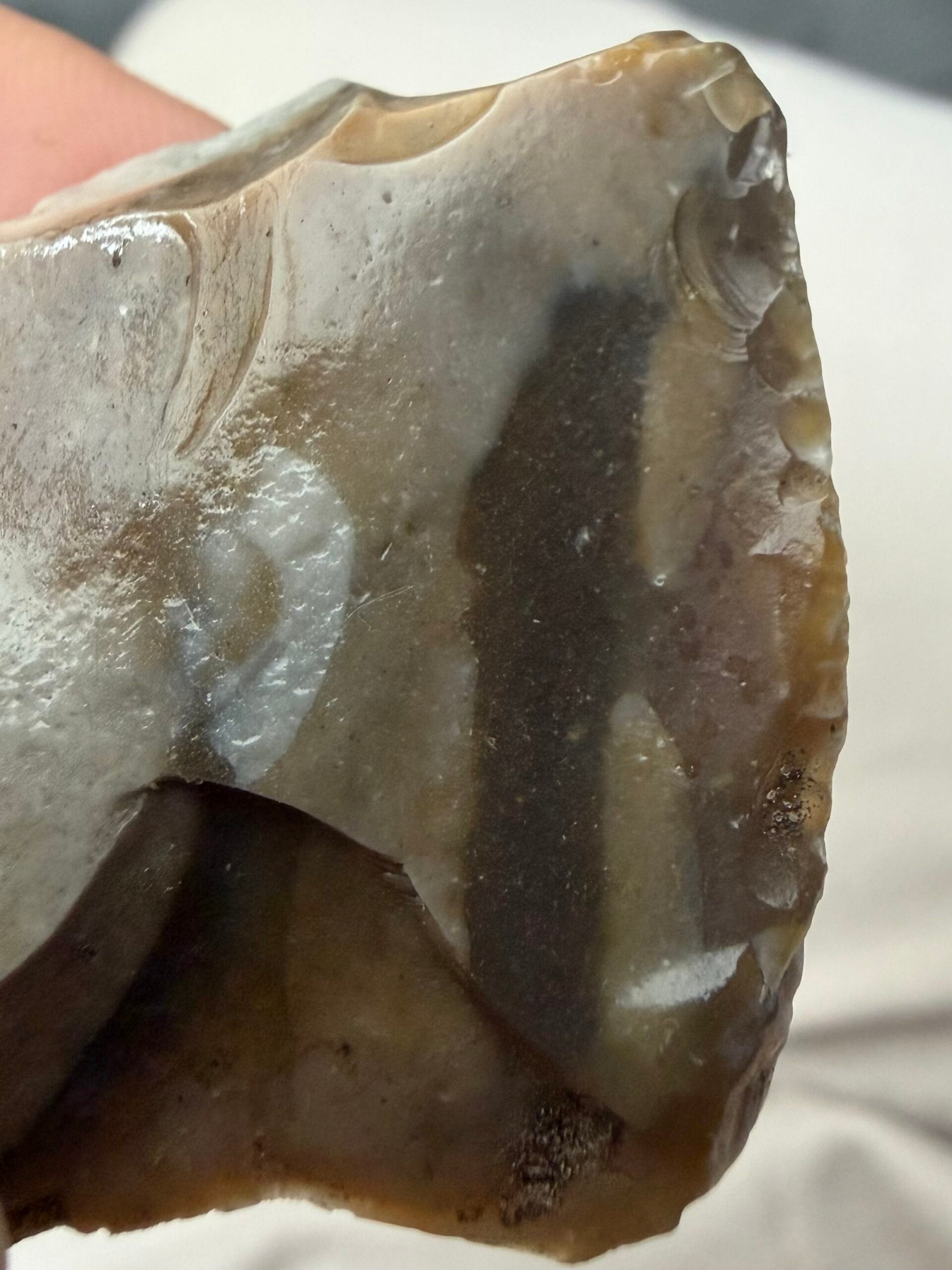
Another definitive indicator involves the waves of force, also known as conchoidal ripples. Because flint has no natural grain, it fractures much like thick glass. When a deliberate blow is delivered, the kinetic energy travels through the stone in a wave-like pattern. This leaves behind faint, concentric ridges radiating outward from the point of impact. These ripples act like a frozen signature, mapping the exact path of the ancient craftsman’s strike.
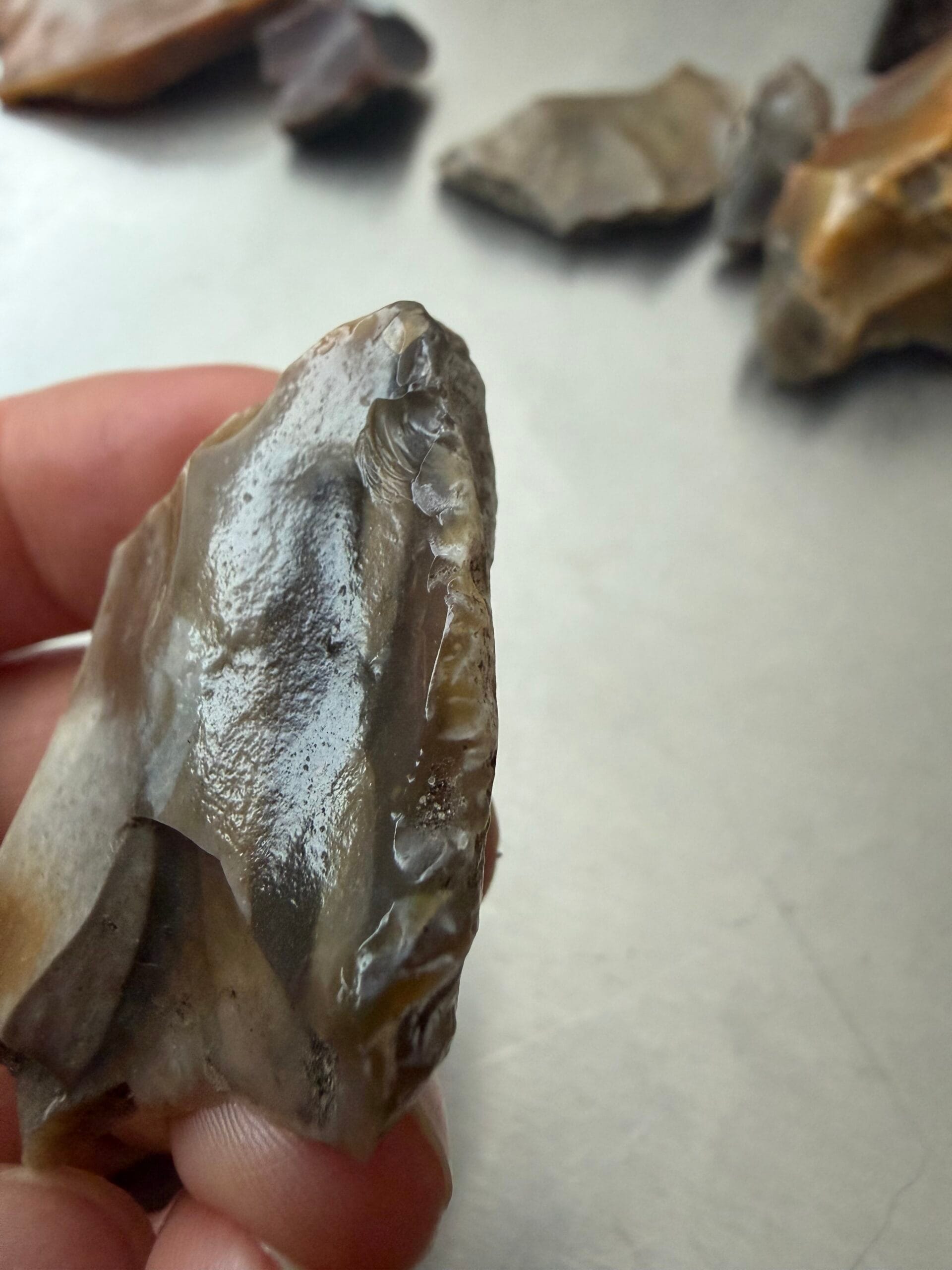
Finally, the intentionality of this piece is strongly confirmed by the fact that only one specific margin shows deliberate chipping. A close inspection of this single sharp rim reveals a uniform sequence of tiny, micro-flake scars. Prehistoric toolmakers deliberately concentrated their work on just one edge to thin, straighten, or reinforce it for a specific task while leaving the rest of the stone untouched. These localized micro-chips can also form as use-wear, which is the mechanical damage left behind when a single sharp flint edge was repeatedly used to scrape wood, process bone, or slice animal hides.
By analyzing these frozen waves of force and single-edged modifications, archaeology can confidently separate basic geological debris from genuine prehistoric technology.